Cross-Border Patient Referral
Overview
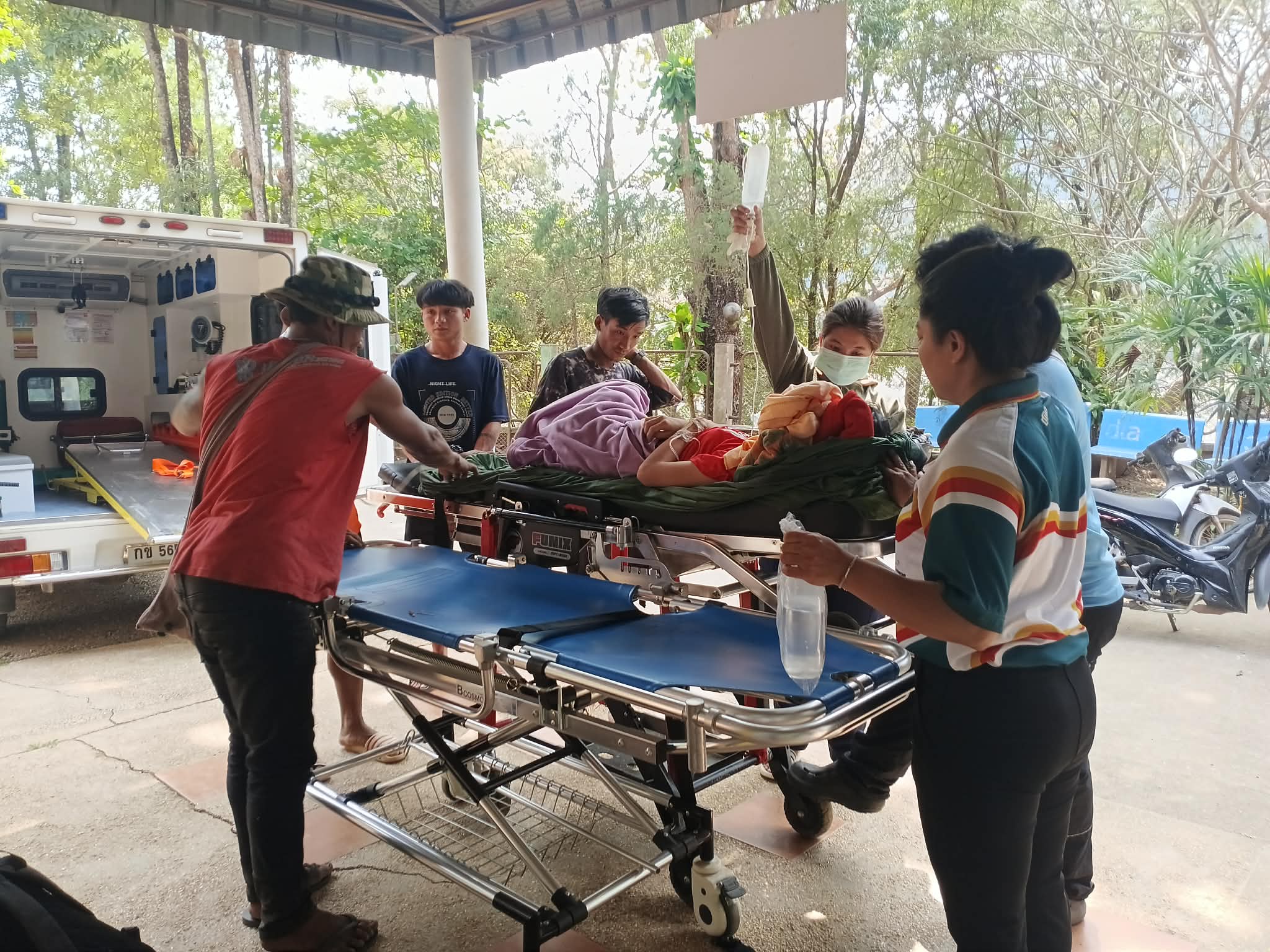
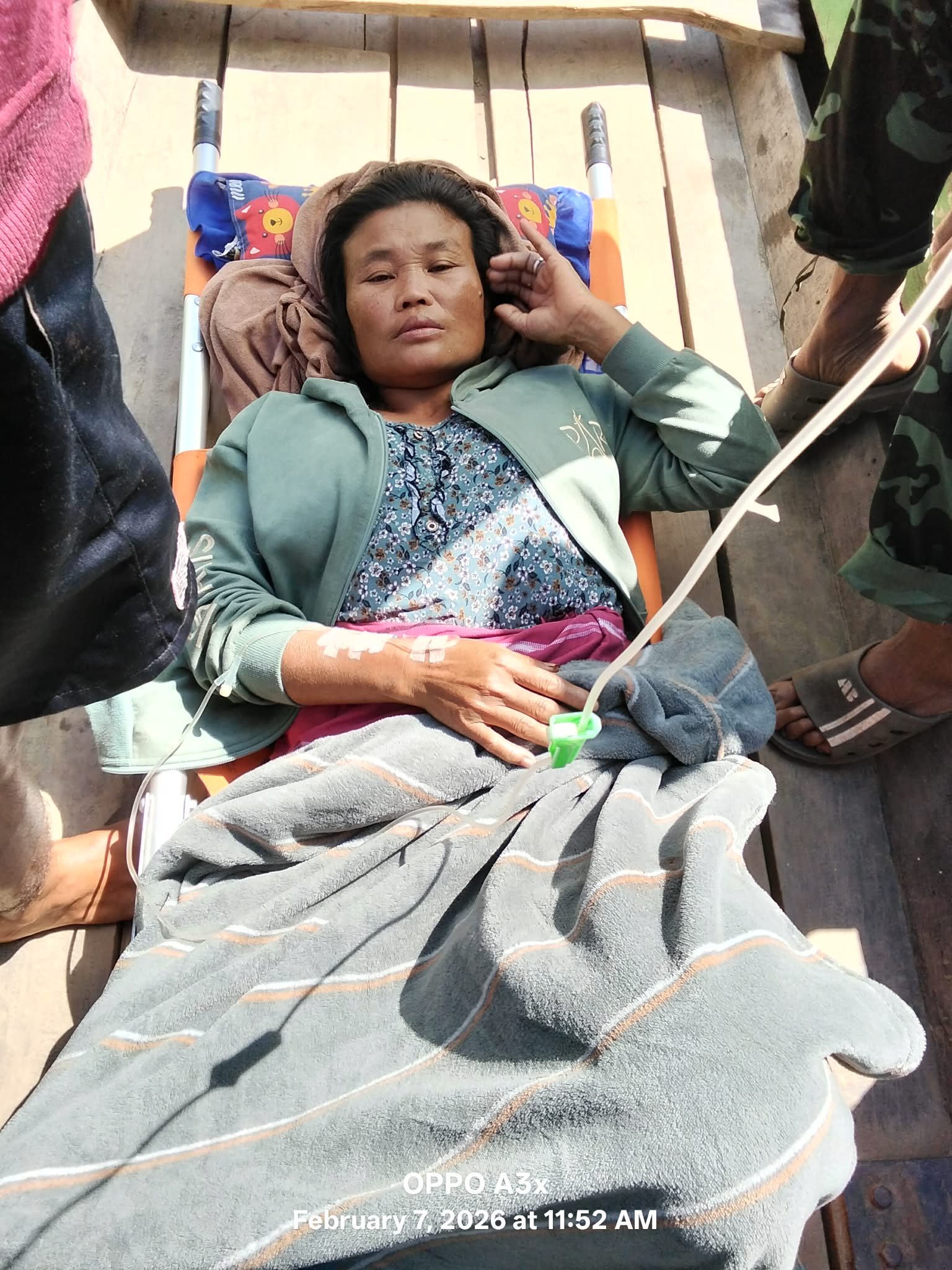
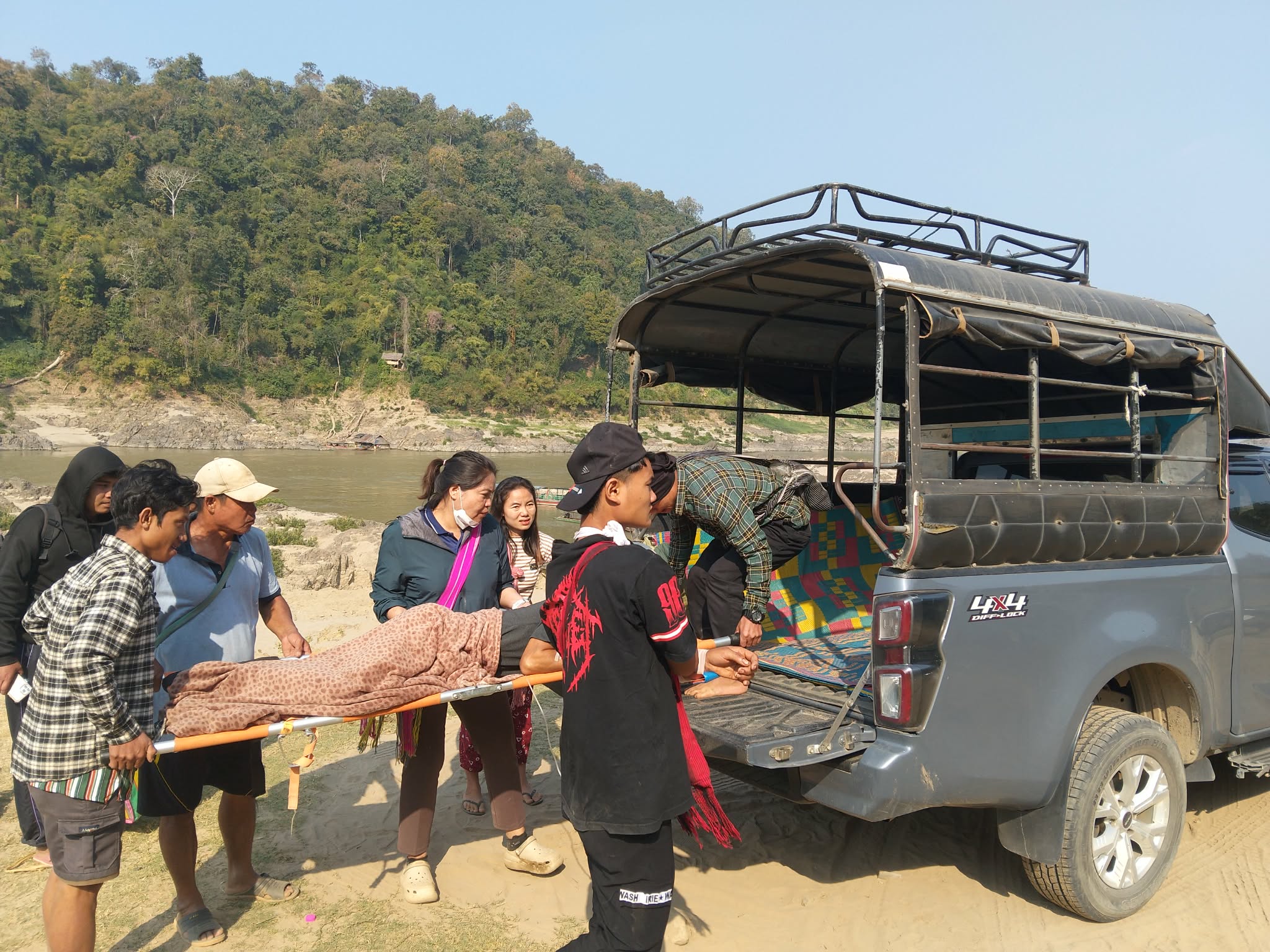
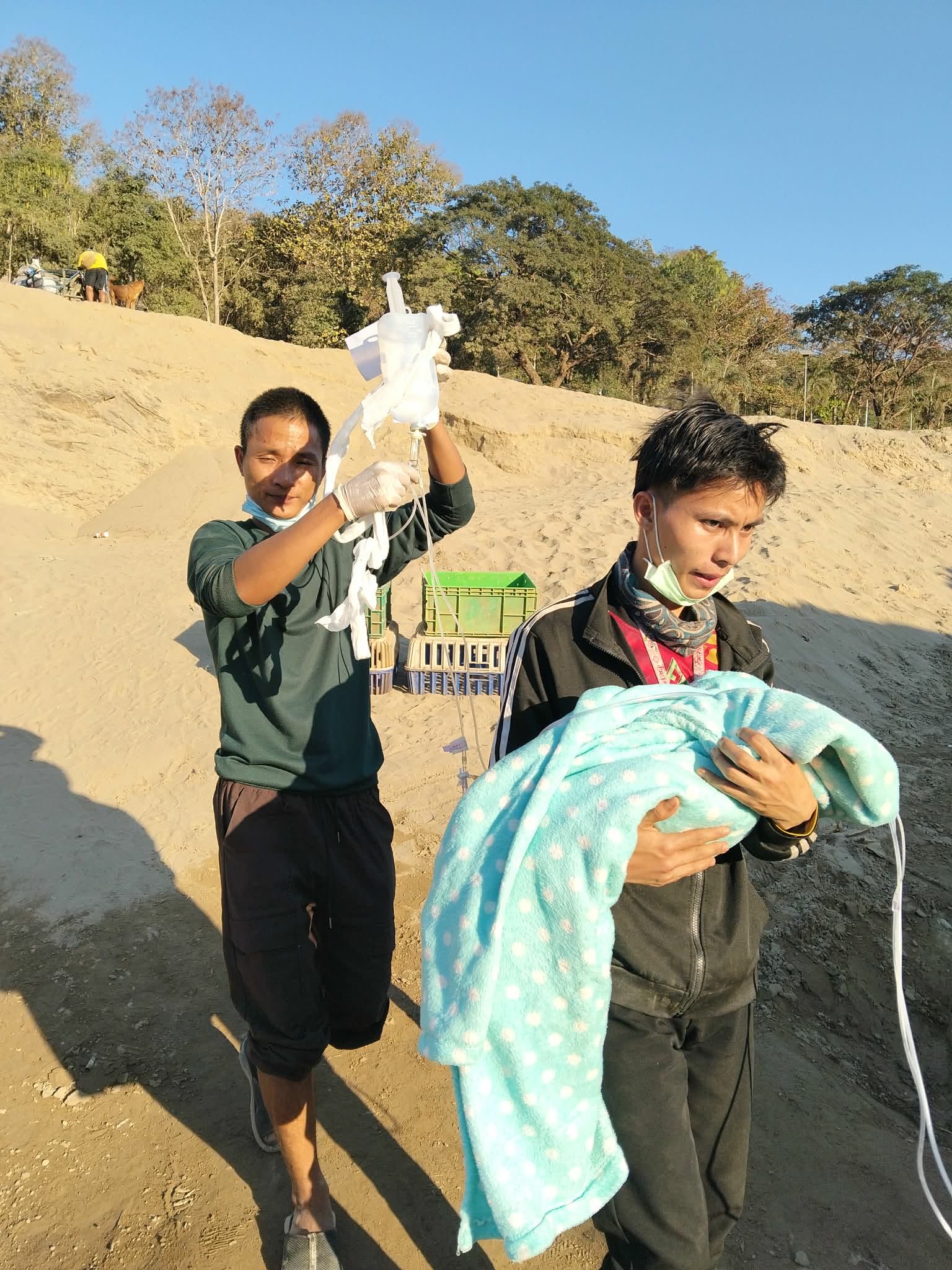
The Cross-Border Patient Referral program is one of BHDF's core health services. We provide logistical support for patients traveling across borders for treatment, from hospital admission and care coordination to medical records management with local healthcare facilities and donor organizations.
For many families, distance, legal status, language barriers, and travel costs can delay urgent treatment. Our role is to reduce these barriers so patients can reach care earlier and continue treatment with fewer interruptions.
Referral Pathway
- Initial assessment and referral decision with local health providers
- Transport planning from remote communities to receiving hospitals
- Hospital admission coordination and communication with hospital teams
- Providing care services at the hospital — interpretation, patient support during consultation and treatment
- Developing a secure and efficient system for medical records and information
- Coordination with beneficiaries, local healthcare facilities, local healthcare service providers and donor organizations
- Discharge planning, follow-up, and return transport coordination
Patient House
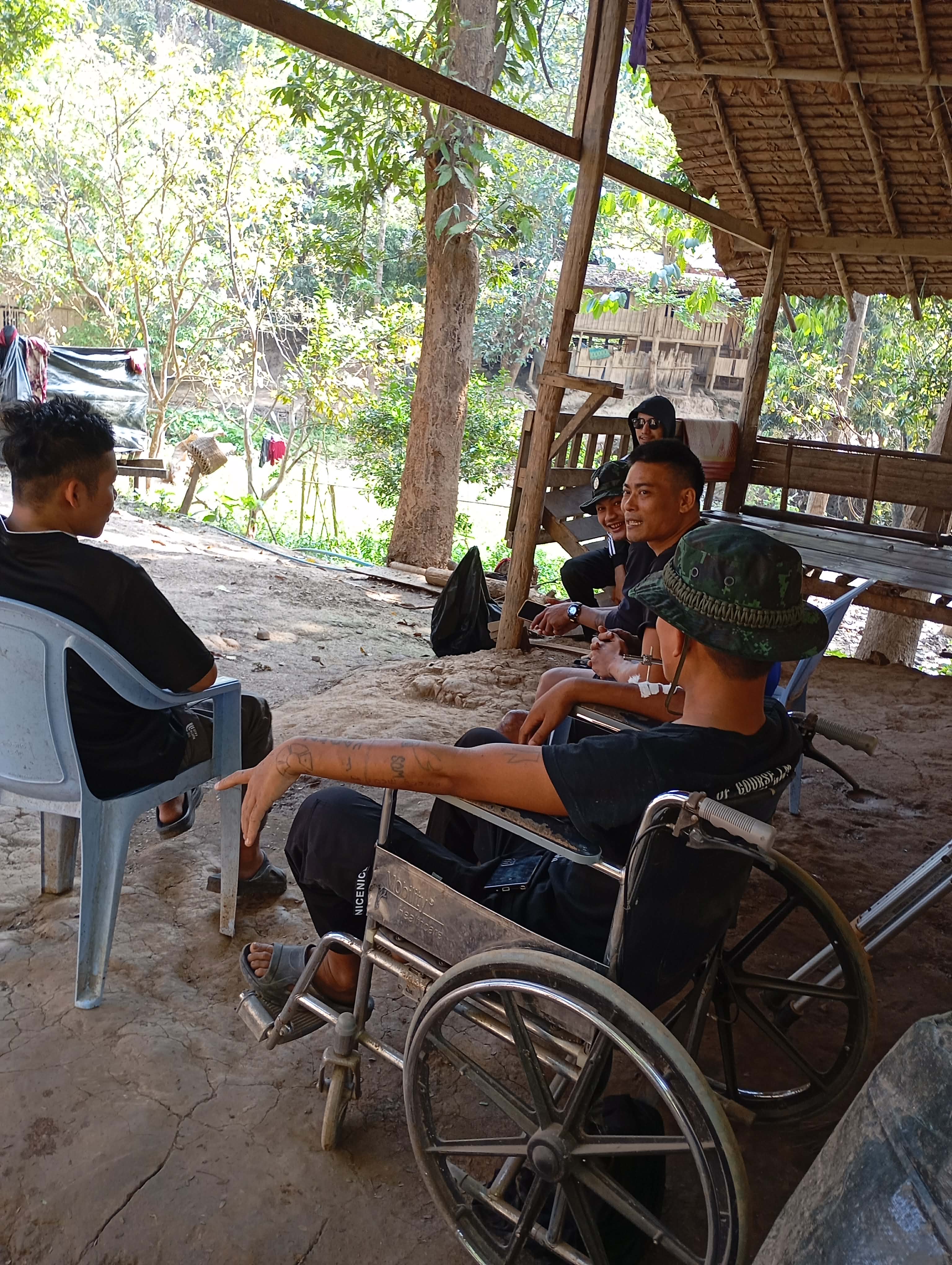
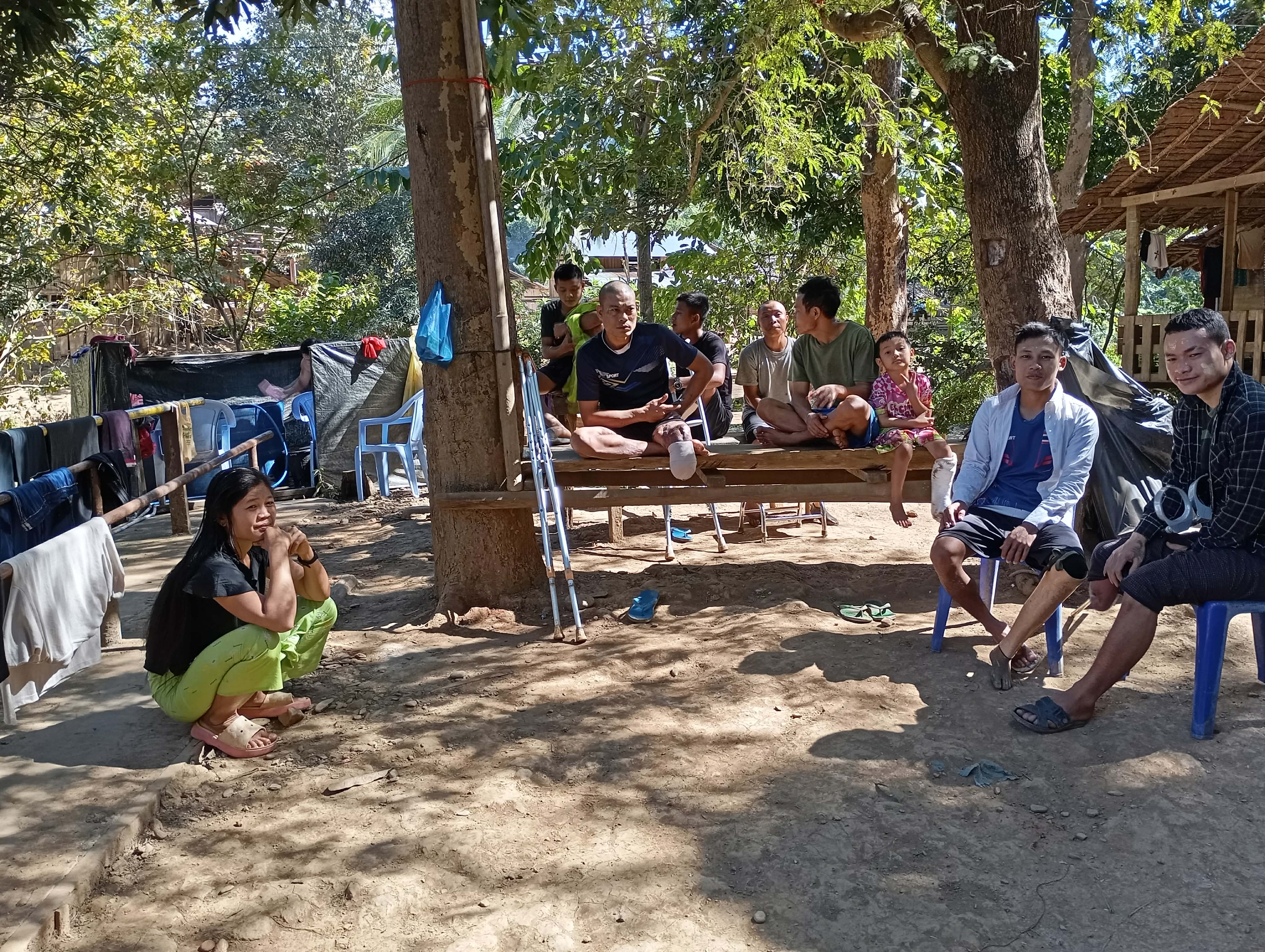
BHDF operates a dedicated Patient House — a facility equipped with necessary amenities to support patients and their families during treatment periods. The Patient House provides:
- Accommodation for patients and their families during treatment
- Daily nursing care, wound care, and medical assistance
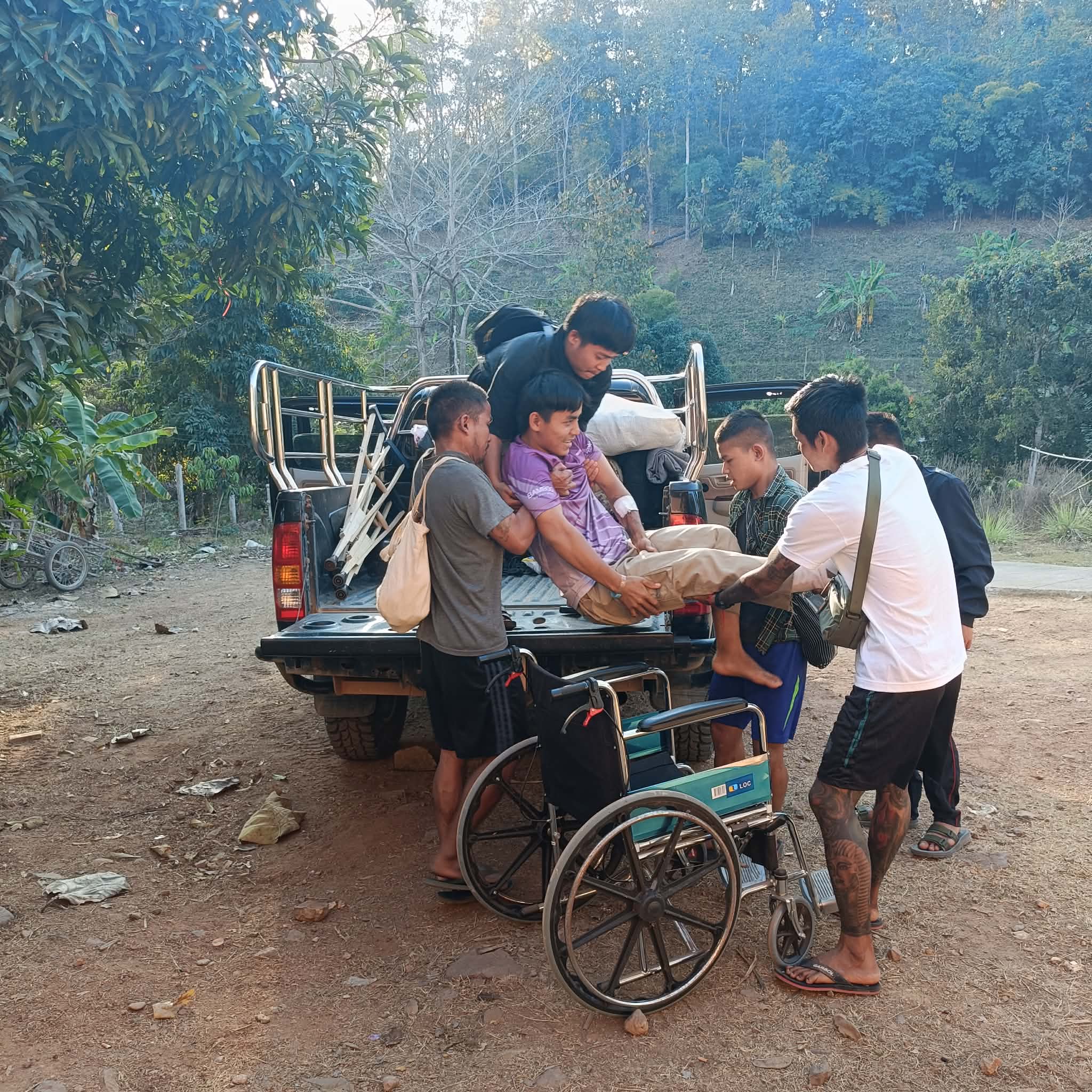
- Logistical support, including transportation to medical appointments
- A community atmosphere to enhance emotional well-being and mental health
Case Management and Follow-Up
BHDF case workers track each referral through multiple stages, from pre-departure documentation to post-treatment follow-up. We help patients and caregivers understand treatment plans, medicines, and next appointments so care can continue after discharge.
Why This Matters
Without referral support, many preventable conditions become severe before treatment is reached. This program exists to make specialized and emergency care practically accessible for border communities.
More from the Field